What Is a Slipped Disc in Children?
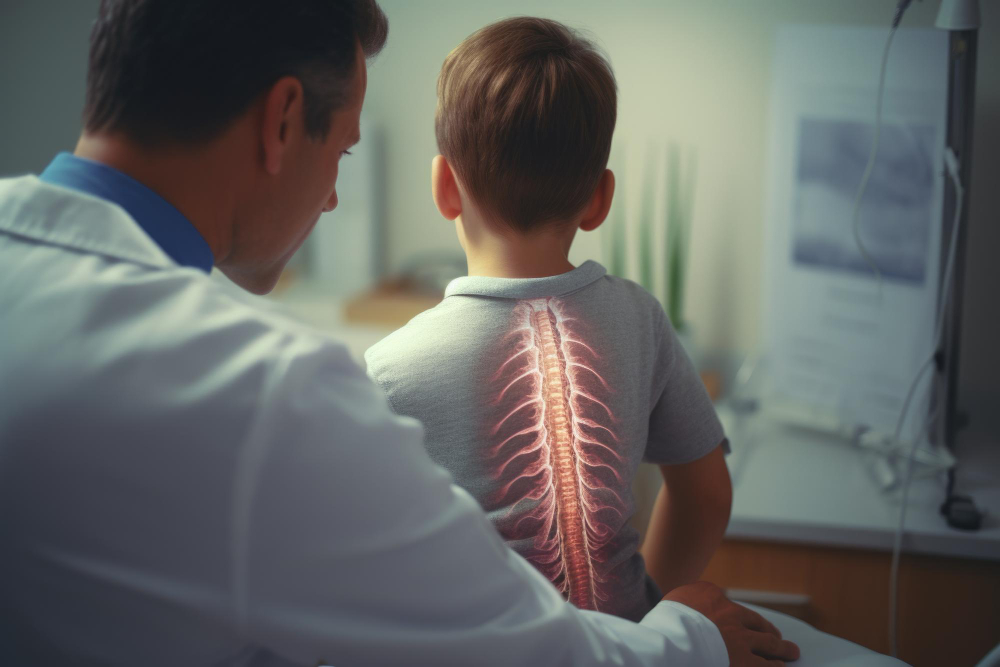
A slipped disc in children happens when a soft cushion between the bones in the spine moves out of place. This cushion is called a disc. Usually, slipped discs are more common in adults. However, children can also have this problem. Pediatric slipped disc symptoms can be different from those in adults. Early care is important for a child’s health. If you notice back pain in your child, it could be a sign of a slipped disc. Knowing about slipped disc treatment for kids helps parents make good choices.
Common Symptoms of Slipped Discs in Kids
Children may not always explain their pain clearly. Still, there are signs to watch for. Often, these symptoms can appear after a fall or injury. Sometimes, they may happen without any clear reason. Look for these signs:
For example, if your child avoids sports or complains of pain after activity, a slipped disc could be the cause. Always listen to your child’s complaints about back pain.
Causes and Risk Factors
Many things can lead to a slipped disc in children. Sometimes, it happens after a fall or accident. Other times, it may be due to heavy lifting or sports injuries. In rare cases, a child’s spine may be weak from birth. Here are some common causes and risk factors:
Because children’s bones and muscles are still growing, they can be more at risk. But with proper care, many risks can be reduced.
How Slipped Discs Are Diagnosed in Children
Doctors use several steps to diagnose a slipped disc in children. First, they ask about your child’s symptoms and medical history. Next, they do a physical exam. During this exam, the doctor checks for pain, weakness, or numbness. If needed, the doctor may order tests such as:
With these tests, doctors can find out if a disc is out of place. Early diagnosis helps start the right treatment quickly.
Treatment Options for Pediatric Slipped Discs
Most children with slipped discs get better with simple treatments. Surgery is rare and only needed in severe cases. Here are common treatment options for pediatric slipped discs:
In some cases, doctors may suggest other treatments. For example, if pain does not improve, further tests or surgery may be needed. However, most children recover well with non-surgical care.
Lifestyle Tips and Prevention for Families
Families can help prevent slipped discs in children by following some simple tips. Because prevention is better than cure, try these steps:
Additionally, regular check-ups can help spot problems early. If your child plays sports, make sure they use the right gear and warm up before activity.
When to See a Pediatric Specialist
Sometimes, home care is not enough. If your child’s pain lasts more than a few days, see a doctor. Also, if your child has numbness, weakness, or trouble walking, seek help right away. A pediatric specialist can give the best advice for slipped disc treatment for kids. Early care can prevent long-term problems.
In summary, slipped discs in children are rare but can cause pain and trouble moving. With early diagnosis and the right treatment, most children recover well. If you have concerns, consult a pediatric specialist for personalized advice on slipped disc treatment for your child.